

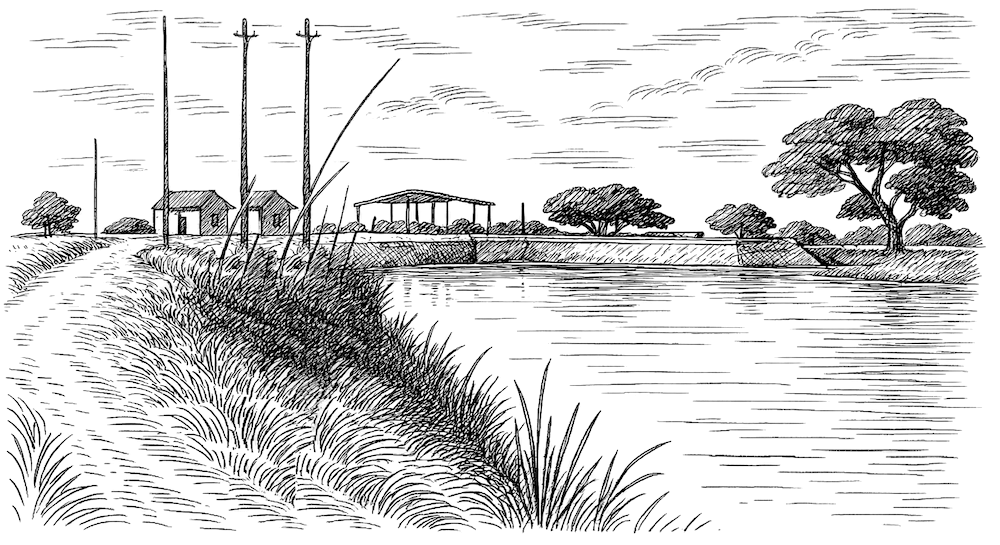
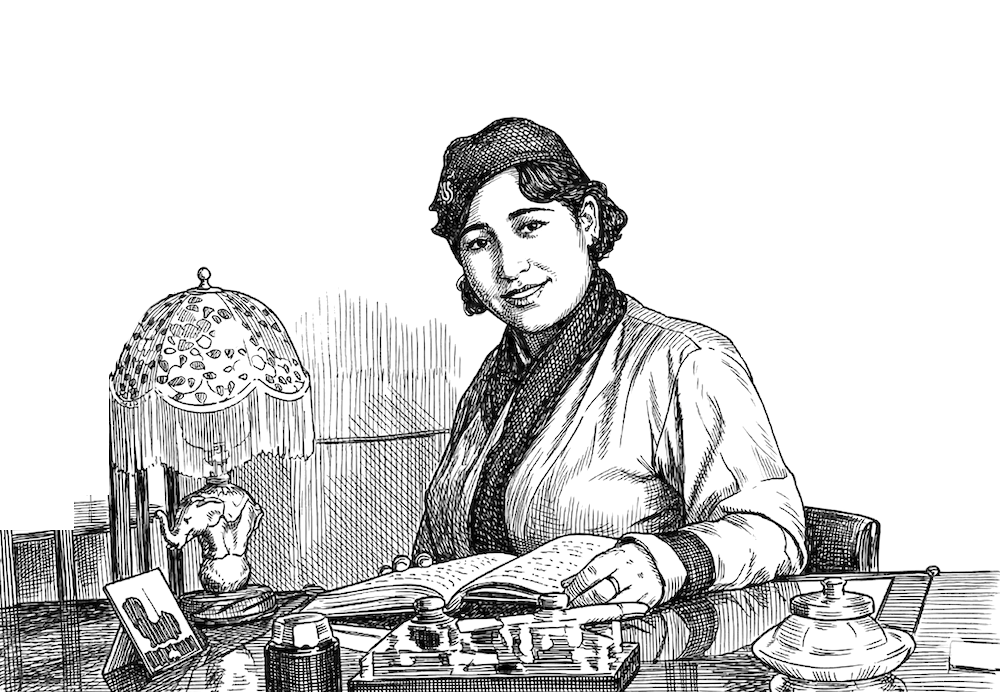
Gamila El Alaily was born on March 20, 1907, in the city of Mansoura. She was raised in a family with deep-rooted Turkish origins (the El Alaily family), whose ancestors settled in Damietta and later Mansoura. She lost her father as a child and was raised by her mother and uncle, who played a significant role in her religious and literary education. Her childhood was spent in a conservative and religious environment, which influenced her psychological and literary formation.
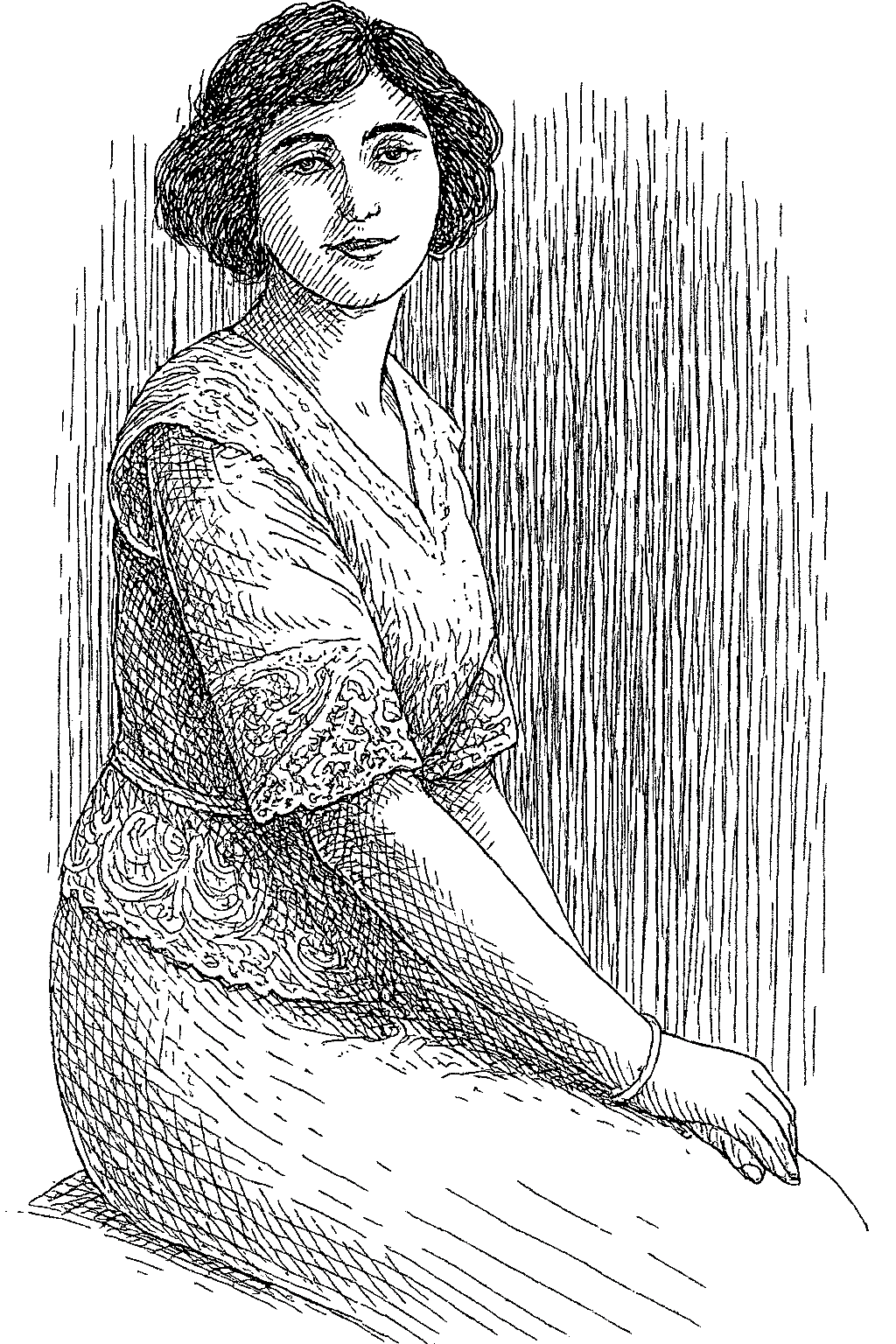
Gamila met the writer May Ziade at a school ceremony, where Gamila delivered a welcome speech that greatly impressed May. May predicted a brilliant literary future for her, saying: 'You will have a great status... perhaps you will be the writer of your generation.' Gamila subsequently began corresponding with her, considering May her primary inspiration in literature and poetry, and received encouraging letters from her.

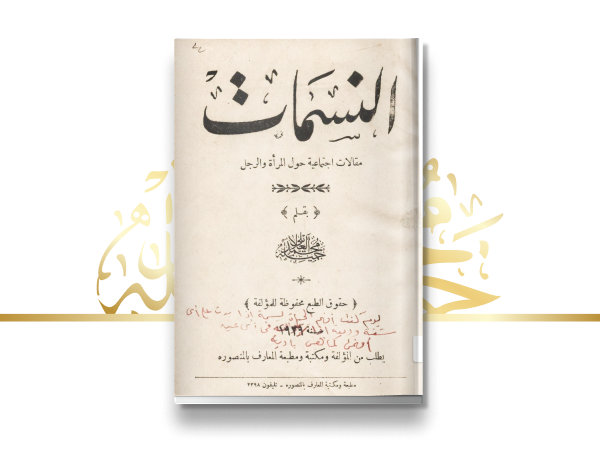
She published her first book titled 'Al-Nasamat' (The Breezes), a collection of social essays published in Mansoura. The essays in the book address women's issues and their struggle with society in search of freedom and justice. She dedicated a luxuriously bound copy of it to May Ziade.
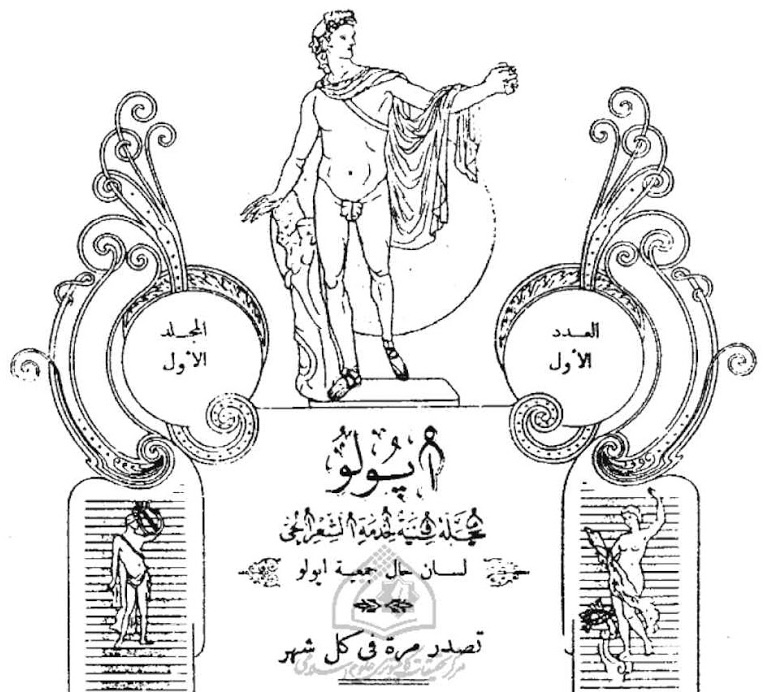
She published her first poem titled 'Al-Sahir' (The Magician) in Apollo magazine (April 1933 issue). Dr. Ahmed Zaki Abu Shadi invited her to participate in the magazine after reading her work in 'Al-Nahda Al-Nisa'iya' (The Women's Renaissance), marking her major literary launch. She became the only regular female poet in the group and rubbed shoulders with poetic giants like Ibrahim Nagi.
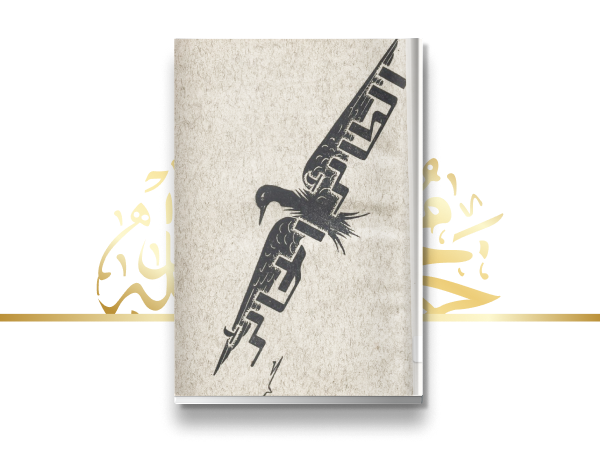
She published her novel 'Al-Ta'ir Al-Ha'ir' (The Confused Bird), inspired by a love story experienced by her mentor, Abu Shadi. Abu Shadi advised her to publish it in full and wrote a welcoming poem as an introduction, praising her charming imagination and captivating emotions. The story is one of her early works blending narrative with a poetic touch.
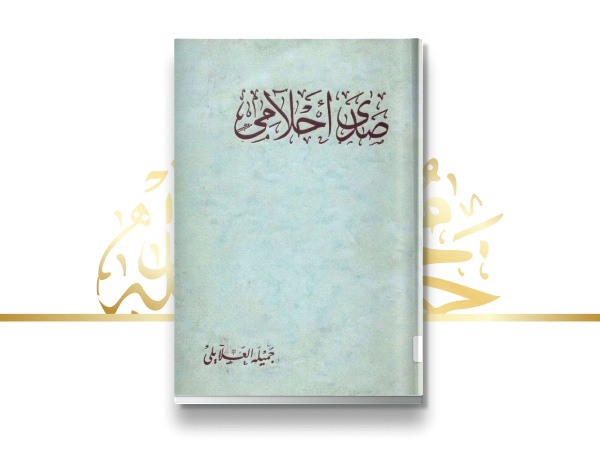
Her first poetry collection, 'Sada Ahlami' (Echo of My Dreams), was published by Al-Ta'awun Press in Alexandria. Ahmed Zaki Abu Shadi provided a comprehensive introduction, and writer Widad Sakakini considered it the first poetry collection published by a woman in the modern renaissance. The collection included 37 poems reflecting her romantic spirit.


The outbreak of World War II halted Gamila's academic ambition. The International Institute of Studies in Alexandria was closed, and its Italian director 'Peter' was arrested, preventing her from completing the doctoral thesis she was preparing titled 'Wara'a Kul 'Azim Imra'a' (Behind Every Great Man is a Woman).
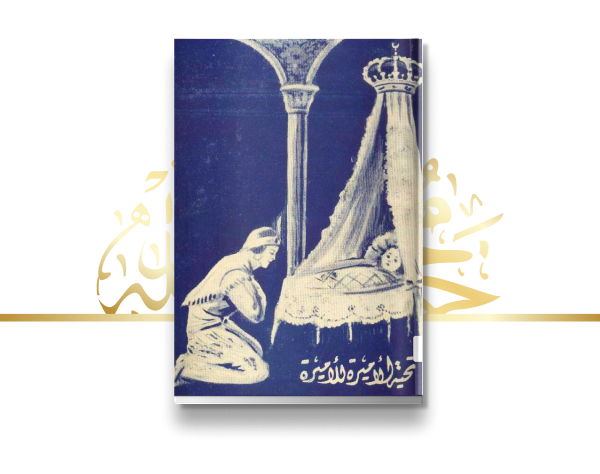
This year witnessed intense literary activity for Gamila, as she published the story 'Al-Amira' (The Princess), which deals with personal transformation and self-discovery, pushing its heroine to become a remarkable leader.
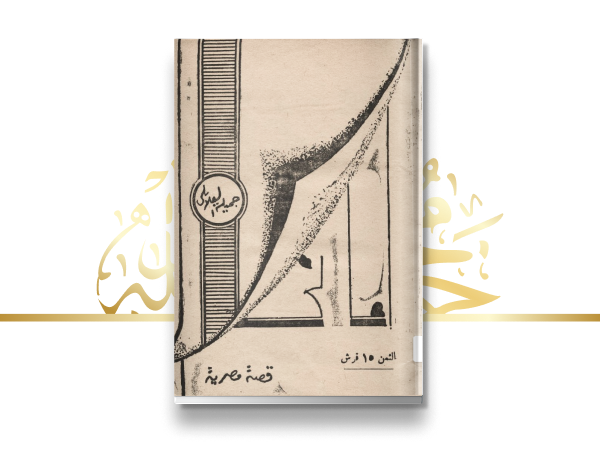
She published the story 'Amani', which revolves around a girl trying to preserve her dignity and avoid lies in society.
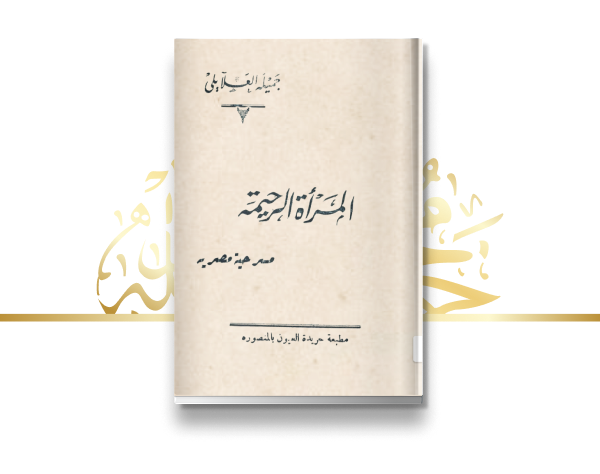
She published the play 'Al-Mar'a Al-Rahima' (The Merciful Woman), which treats various social issues such as betrayal, classism, and social responsibility.

She was appointed Director of the Social Aid Bureau in Mansoura after a period of working in teaching. In this role, she was influenced by Huda Shaarawi's social activism and worked to help the poor and establish social reform associations.
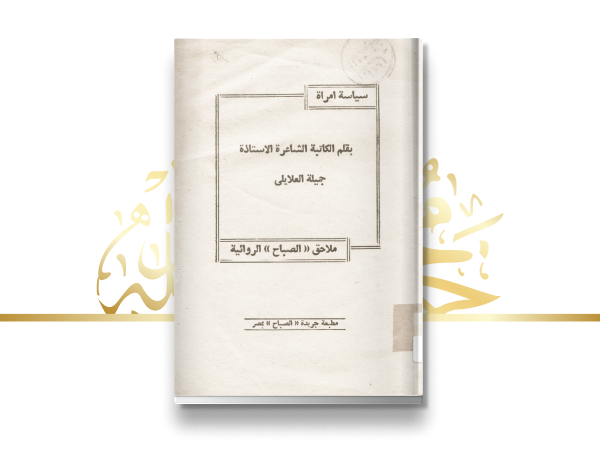
She published the book 'Siyasat Imra'a' (A Woman's Policy), which centers on themes of giving, forgiveness, and tolerance.
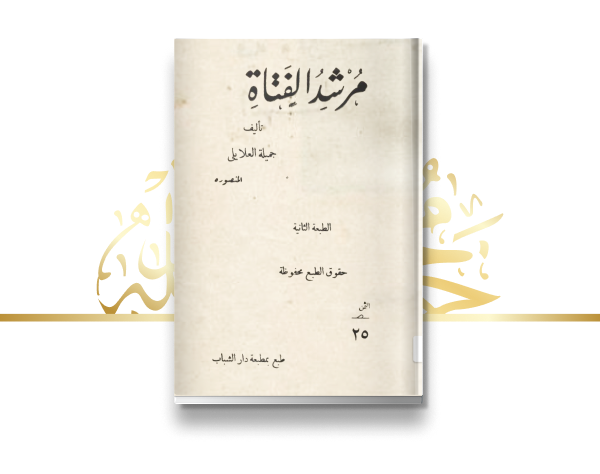
She published 'Murshid Al-Fatah' (The Girl's Guide - 2nd Edition), offering general advice and recipes for women, emphasizing education and independence.
She submitted her resignation from the Ministry of Social Affairs in late 1944, rejecting intellectual restrictions and bureaucracy, to dedicate herself to literature and journalism.
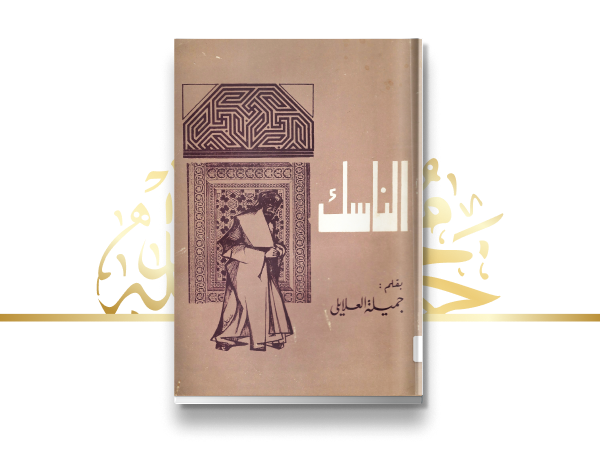
She published the novel 'Al-Nasik' (The Hermit), which revolves around betrayal, sacrifice, and choosing integrity.

She married journalist Sayed Nada on June 26. She also founded 'Jam'iyat Udaba' Al-Uruba' (League of Arab Writers) and organized the 'Mahragan Al-Rabi'' (Spring Festival), where she criticized Al-Akkad.
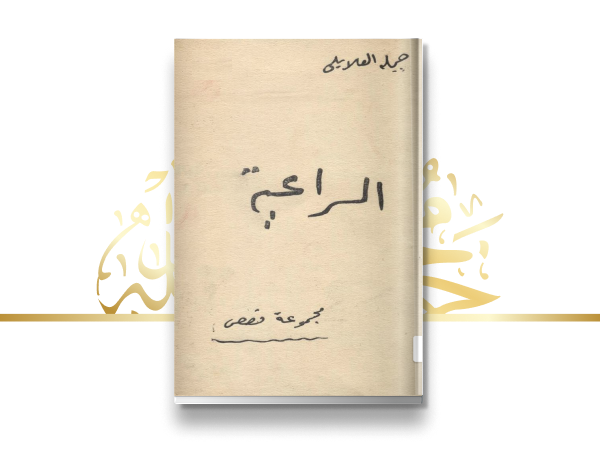
She published the story 'Al-Ra'iyah' (The Shepherdess), about a girl who loses her reputation and lives alone in nature. It was warmly received by Zaki Tulaimat.
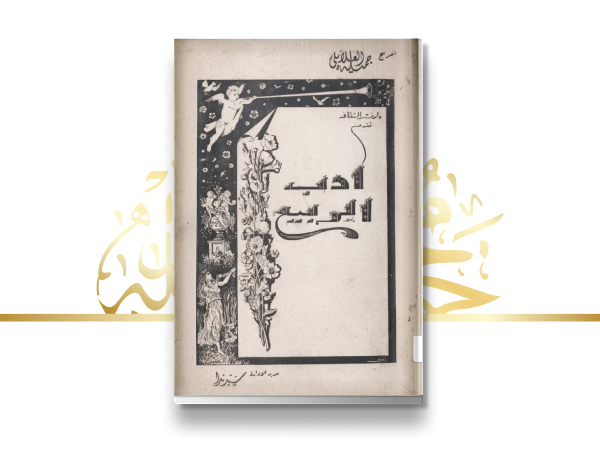
She produced the book 'Adab Al-Rabi'' (Literature of Spring), comprising the poems and essays delivered at the Spring Festival held by the League of Arab Writers.
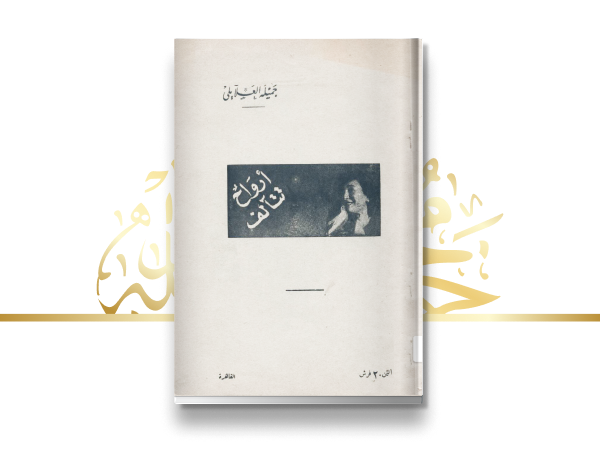
She published the story 'Arwah Tata'alaf' (Souls in Harmony), which revolves around conflicts of love, honor, and the complexities of human emotions.
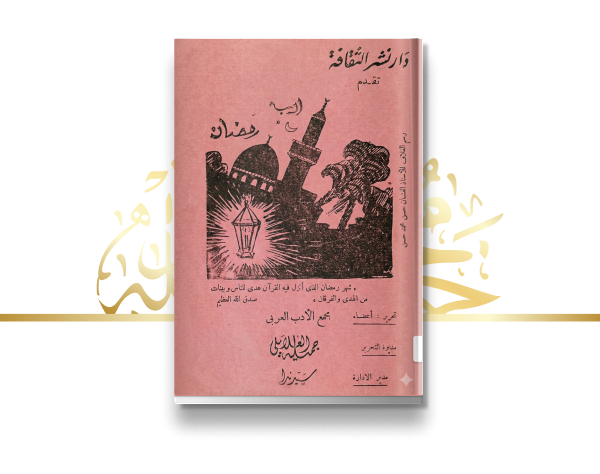
She founded 'Majma' Al-Adab Al-Arabi' (Arab Literature Academy) and registered it officially to be the umbrella for her literary activity following disputes within the League of Arab Writers. She also published 'Adab Ramadan', containing selected essays on the holy month.
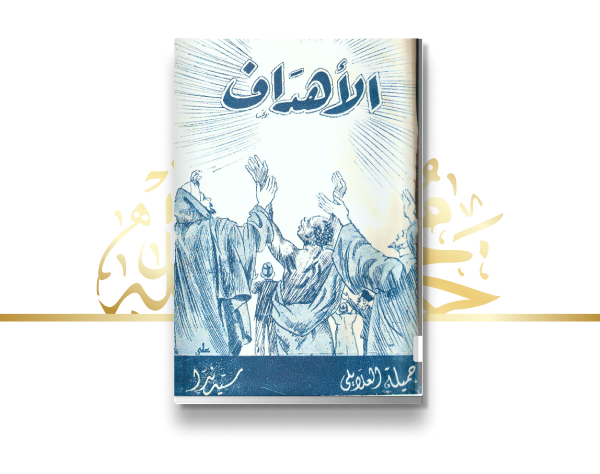
She released the first issue of 'Al-Ahdaf' (The Goals) magazine in December 1948 in collaboration with her husband, serving as the mouthpiece of the Arab Literature Academy and a message for reform and guidance.
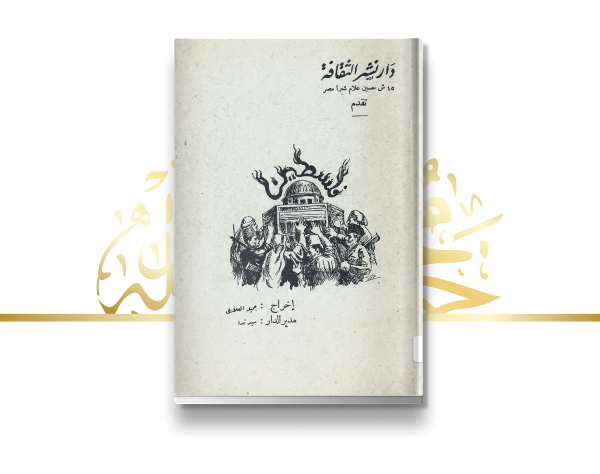
She published the book 'Adab Filastin' (Literature of Palestine) in reaction to the Palestinian Nakba, with the participation of Arab Literature Academy members, serving as a literary voice supporting the cause.
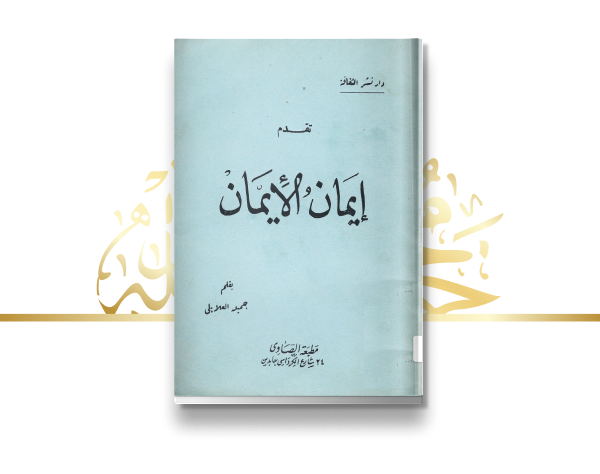
She published the book 'Iman Al-Iman' (Faith of Faith) via the Culture Publishing House, a work set in a symbolic framework regarding the deepening of spiritual connections.
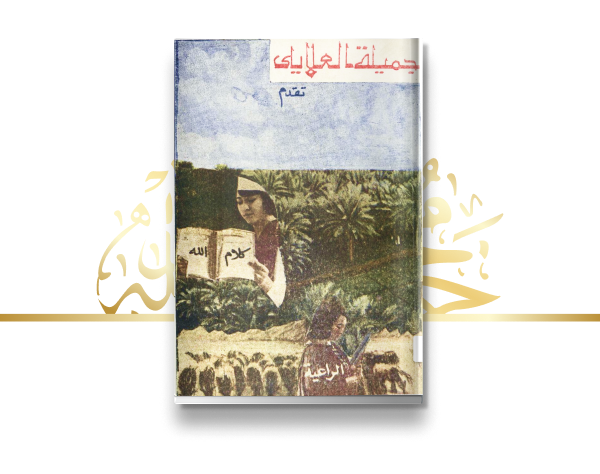
She published 'Kalaam Allah' (The Word of God) via Dar Al-Ta'lif, addressing issues of faith and coexistence between religions in high literary language.
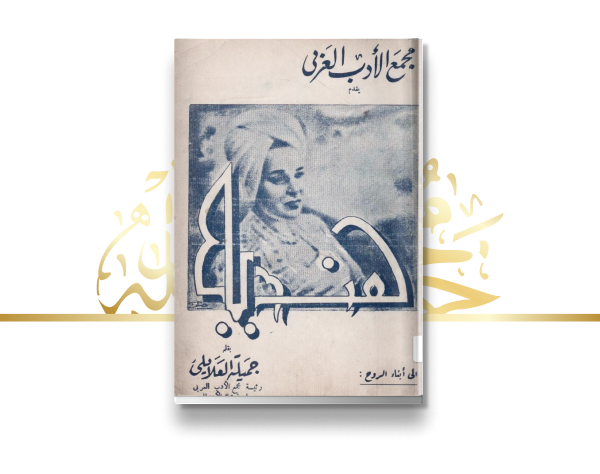
She published her story 'Hindiyah', a work bearing autobiographical features. The story deals with the confusion of a cultured girl searching for spiritual meaning amidst a conservative environment.

Gamila witnessed the July 23 Revolution, living through its eras and interacting with it. In January of the same year, Dr. Zaki Mubarak passed away; he was linked to her by a famous unrequited platonic love, and she eulogized him with a moving poem titled 'Maza Aqul?' (What Shall I Say?).
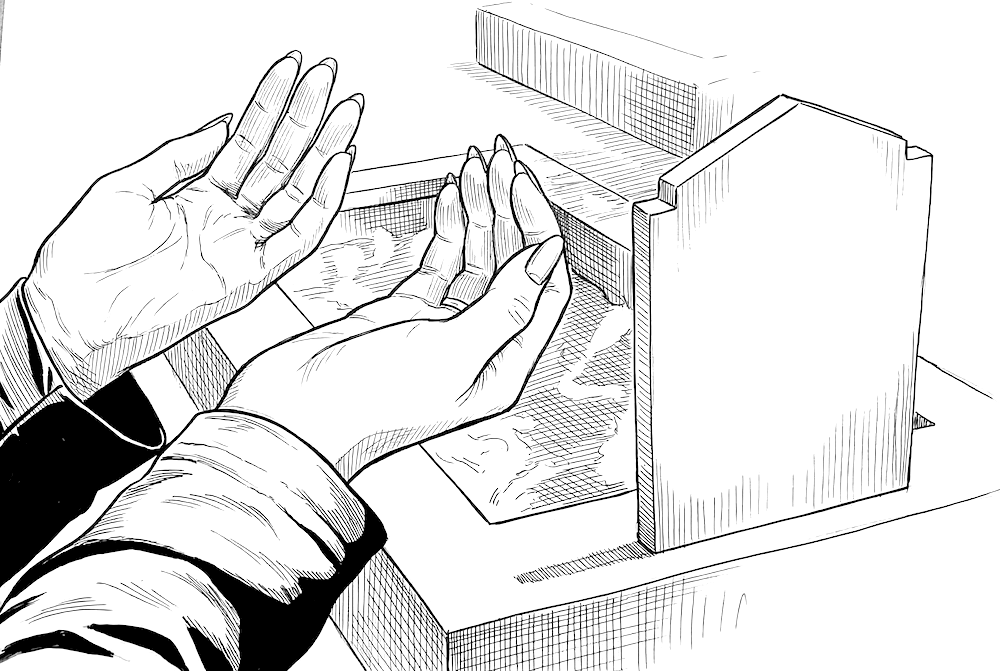
Her mother passed away on April 26, 1959, causing her immense psychological shock and a sense of loneliness. She eulogized her with many sad poems published in 'Al-Ahdaf' magazine and continued to commemorate her annually.
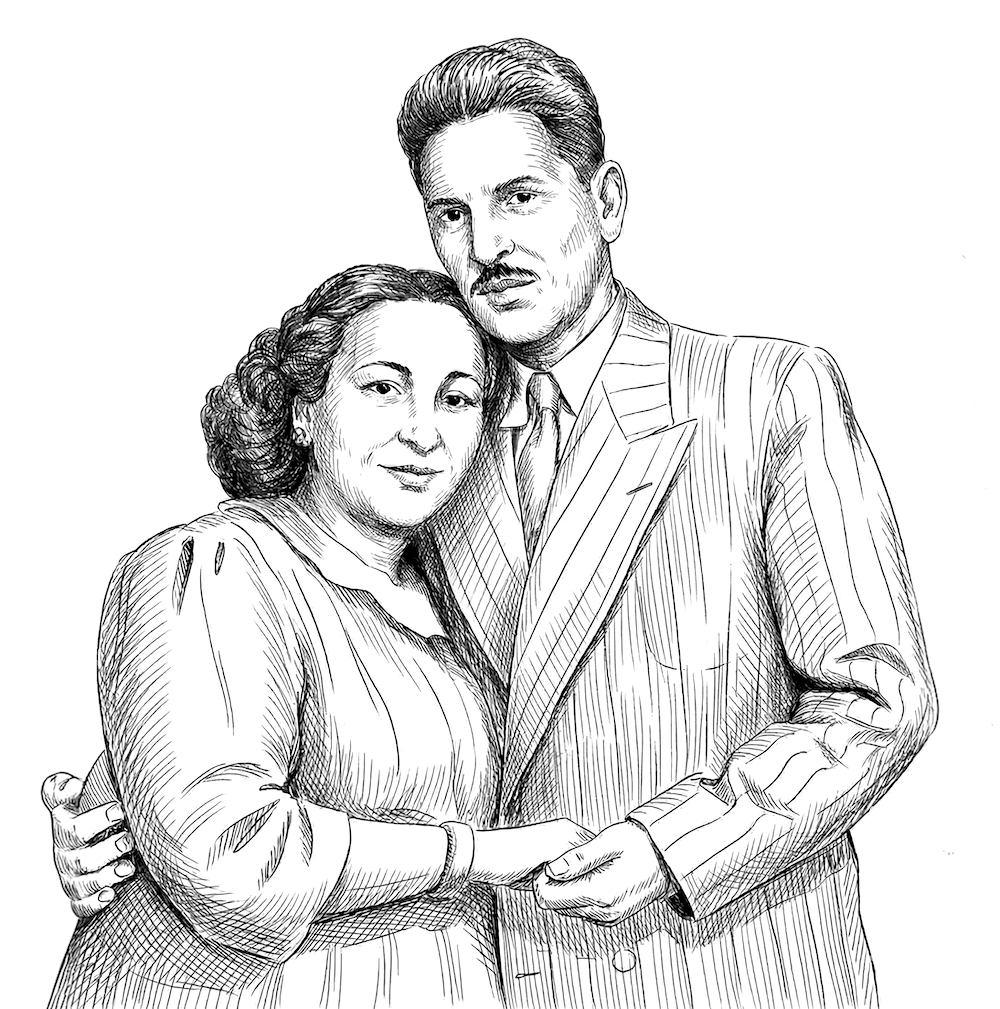
Her husband, journalist Sayed Nada, passed away on October 16, 1963. She entered a state of mourning and dedicated herself to caring for her son Jalal, refusing marriage proposals, including a persistent offer from writer Anwar Al-Jundi.
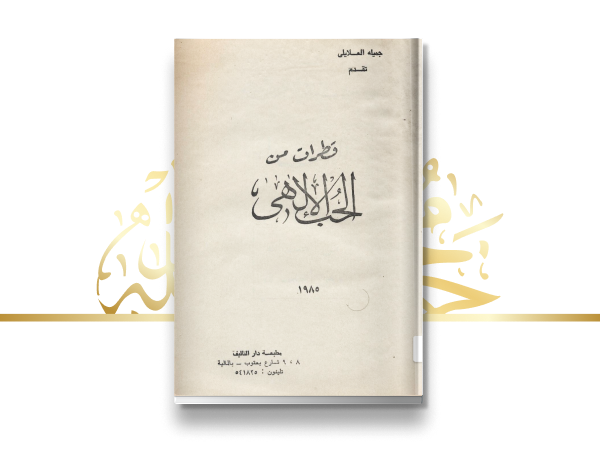
She published the book 'Qatrat min Al-Hubb Al-Ilahi' (Drops of Divine Love). The book addresses themes of faith, love, and sacrifice, reflecting the deep spiritual stage she had reached.
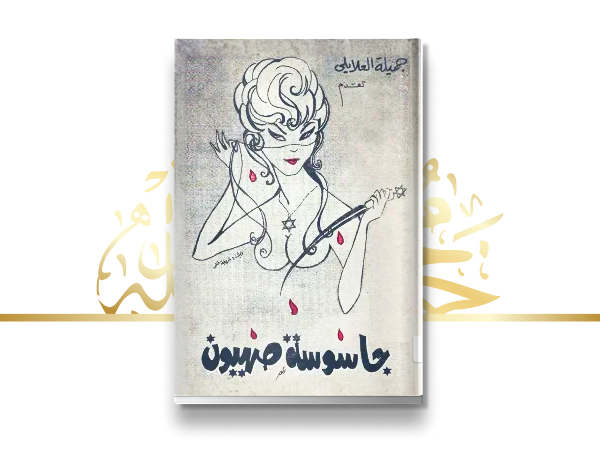
She published the story 'Jasusat Sahyun' (The Spy of Zion), which revolves around resisting injustice through the character 'Basma'. At the end, she noted the death of Gamal Abdel Nasser.
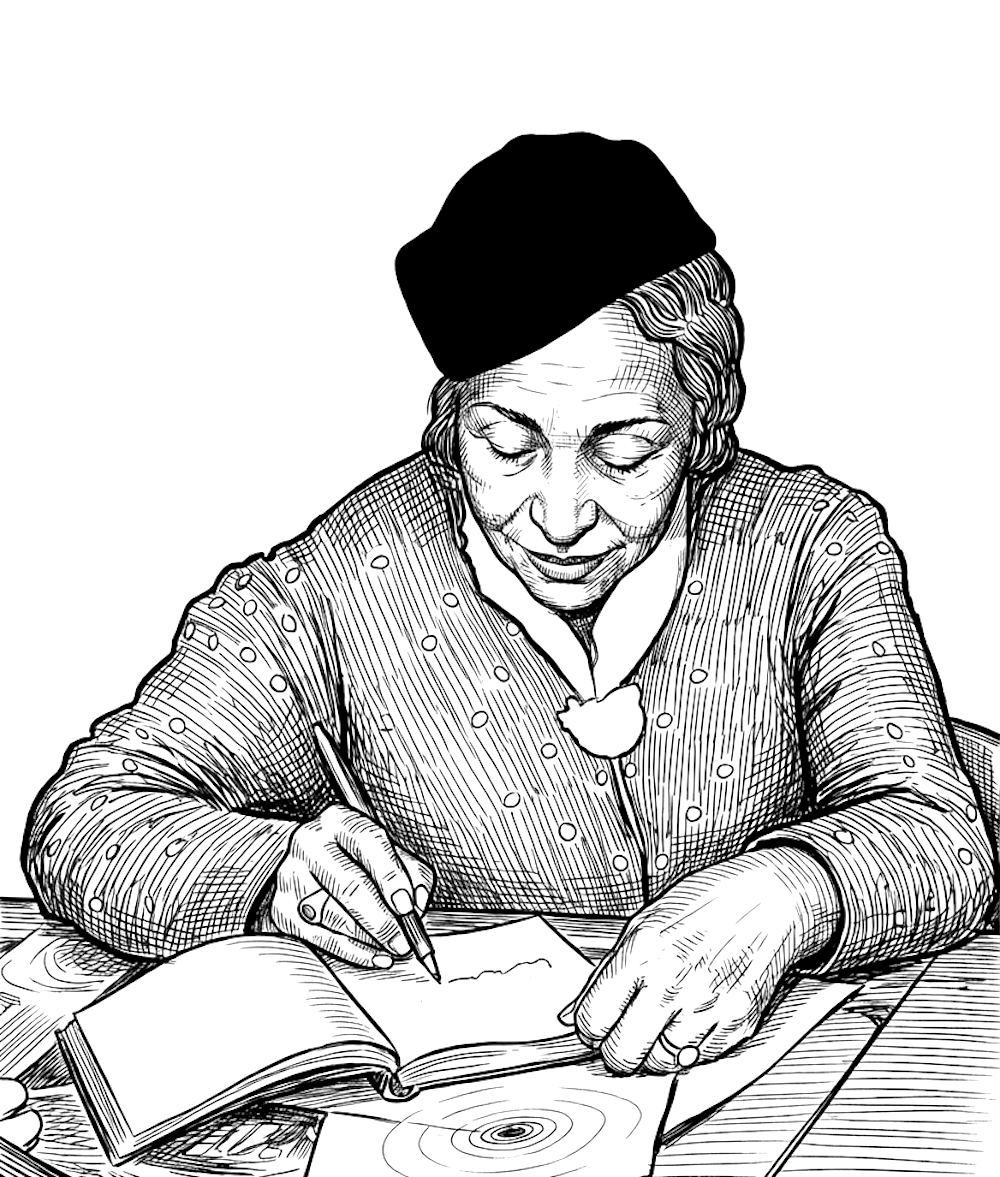
President Anwar Sadat granted her an exceptional pension effective November 1, 1975, in appreciation of her efforts in literature and art. This honor came after a period where she felt isolated and unappreciated.
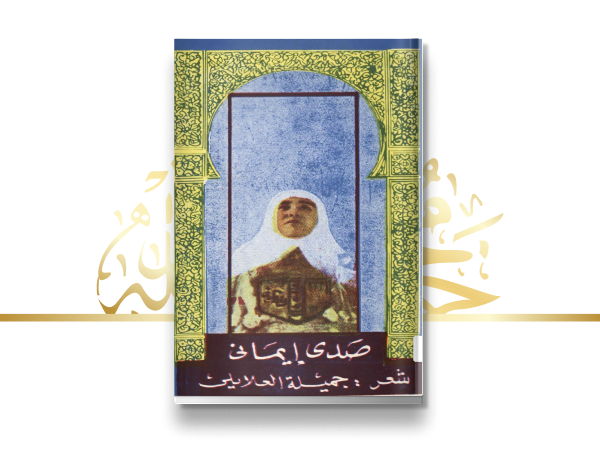
She published her diwan 'Sada Imani' (Echo of My Faith) via the Arab Literature Academy. It is dominated by a Sufi and soliloquy character and was praised by Zaki Tulaimat.
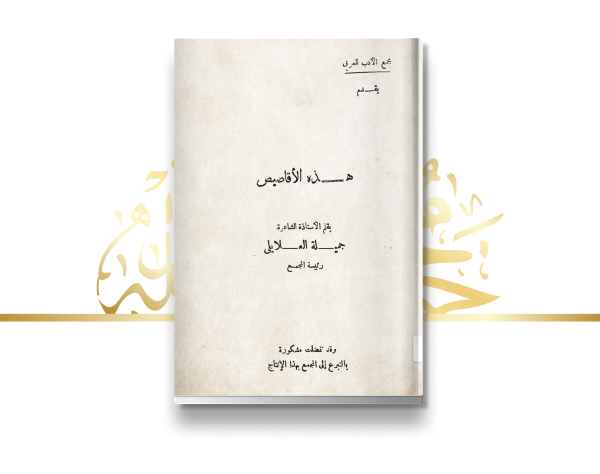
She published a short story collection titled 'Hazihi Al-Aqasis' (These Stories) via Abdeen Press. The collection addresses diverse social issues.
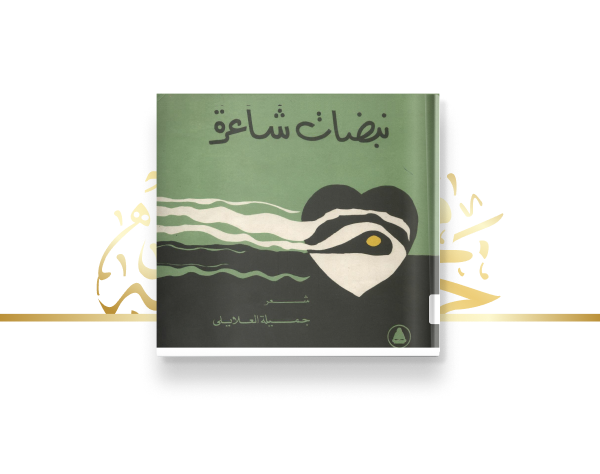
Her major diwan 'Nabadat Sha'irah' (Pulse of a Poetess) was released by the General Egyptian Book Organization. It included an introduction written by Abu Shadi 30 years prior; its publication was delayed due to her family circumstances.
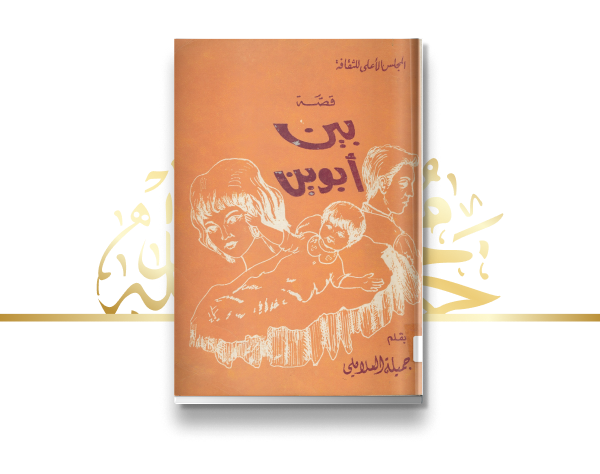
She published the story 'Bayn Abawayn' (Between Two Parents) via the Supreme Council for Culture and Arts. The story explores spiritual searching and the conflict between quiet and noise.
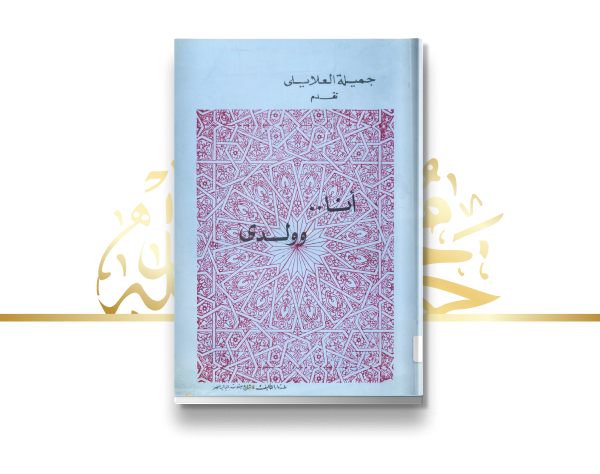
She published her autobiographical novel 'Ana wa Waladi' (My Son and I) via Dar Al-Ta'lif. In it, she documents personal letters, a chaste love story, and her conflict between emotion and the duty of motherhood.
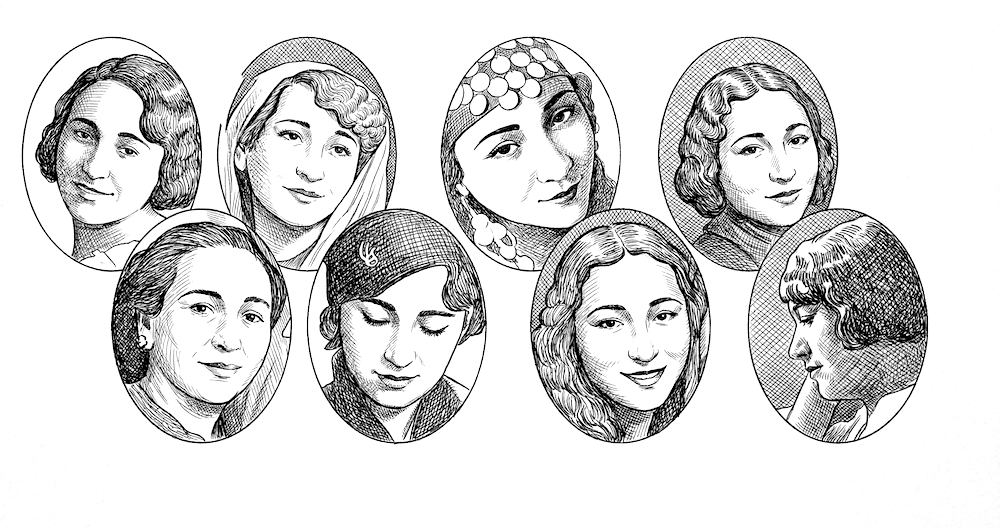
Gamila El Alaily passed away in silence on Thursday, April 11, 1991, at her home in Ain Shams, following acute circulatory failure. Her will, requesting no official funeral ceremony, was carried out.



 قرائة الكتاب