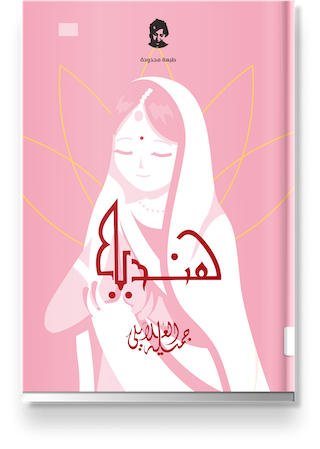
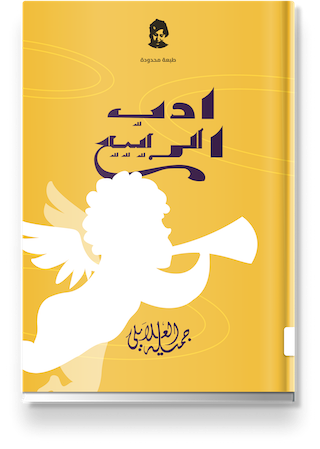
About Gamila

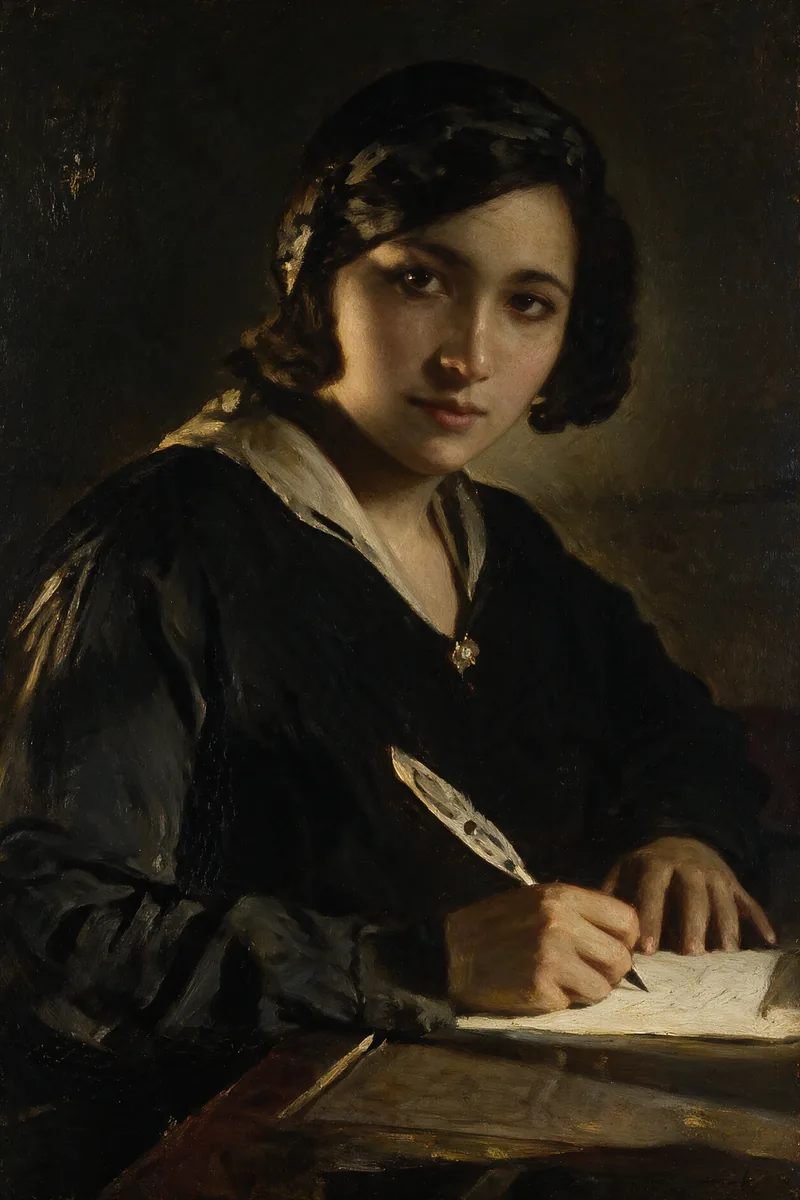
A painted portrait of Gamila El Alaily writing at her desk
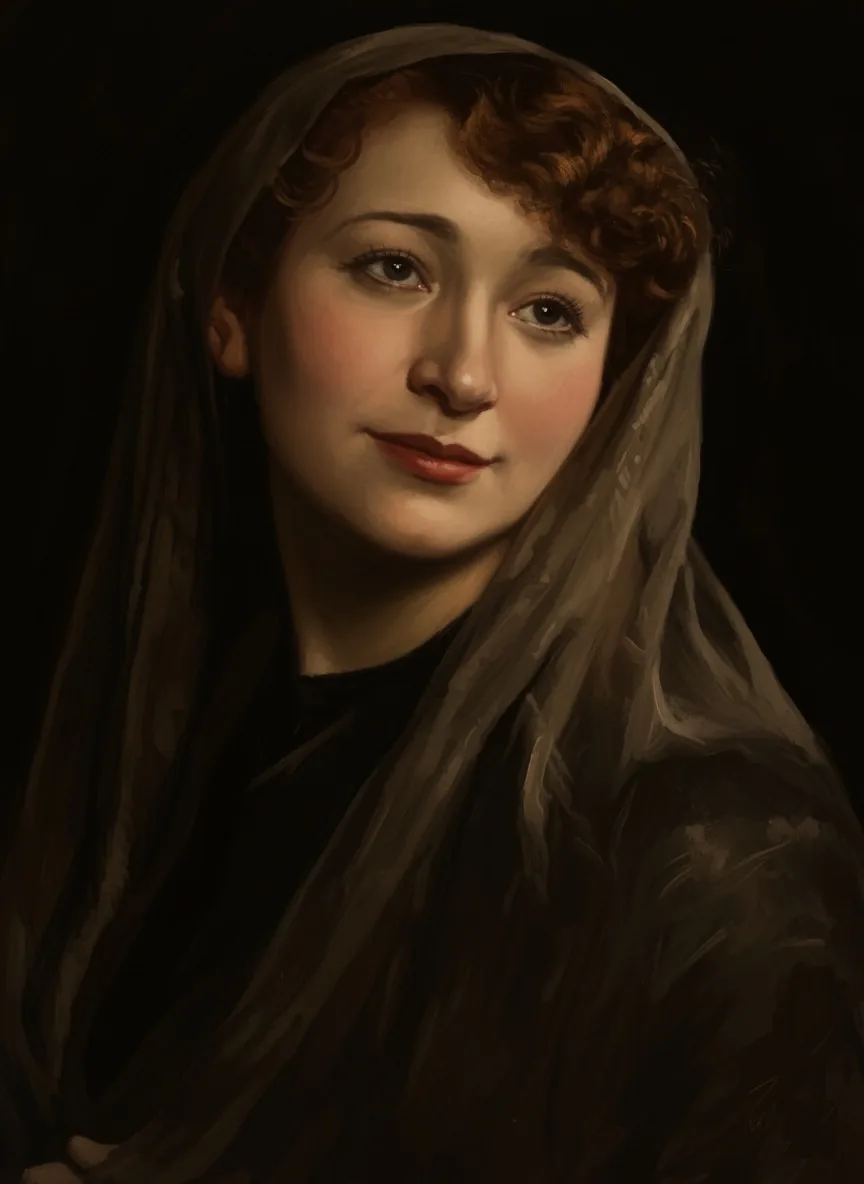
A painted portrait of Gamila El Alaily in a veil
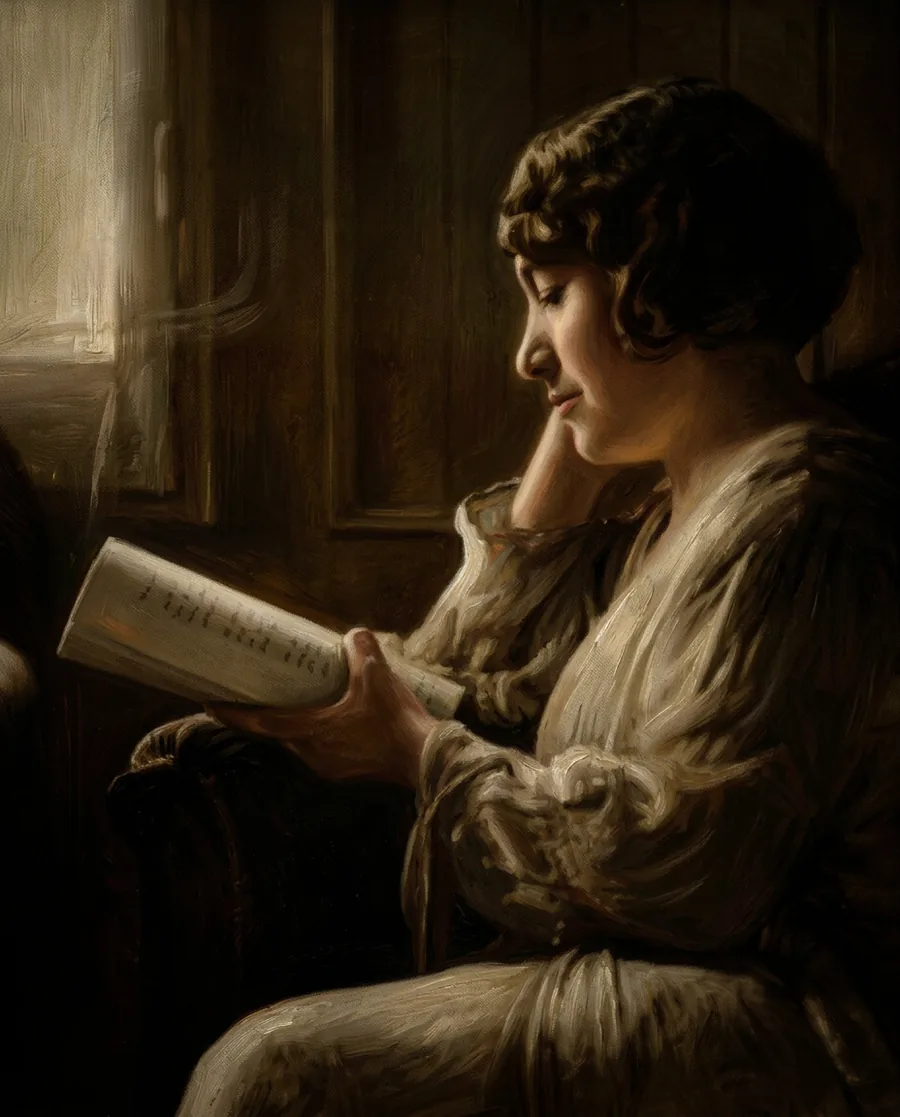
A painted portrait of Gamila El Alaily reading by a window
Poet, novelist, essayist and editor · 1907–1991

Gamila El Alaily

جميلة العلايلي

Gamila El Alaily was an Egyptian poet, novelist and essayist, and the only woman who wrote regularly for the Apollo poetry group of the 1930s. Over five decades she published 24 books of poetry, fiction and essays, and with her husband, the journalist Sayed Nada, she founded and edited the literary magazine Al-Ahdaf.

Born
20 March 1907 Mansoura, Egypt
Died
11 April 1991 Ain Shams, Cairo
Apollo group
From 1933 Its only regular woman poet
Al-Ahdaf
Founded 1948 Literary magazine
Published works
24 books Poetry, fiction, essays

Her story

Four chapters of a writing life

  1. 1 1907–1932

    Mansoura

    She was born on 20 March 1907 in Mansoura, into the El Alaily family, whose ancestors had settled in Damietta and later in Mansoura. She lost her father as a child and was raised by her mother and her uncle, who guided her religious and literary education.

    In 1925 she gave a welcome speech at a school ceremony attended by the writer May Ziade, who predicted a great literary future for her. The two corresponded afterwards, and Gamila counted May as her first inspiration. In 1929 she published her first book, Whispers, a collection of essays on women's search for freedom and justice.

  2. 2 1933–1941

    The Apollo years

    In April 1933 her poem “The Magician” appeared in Apollo magazine. Its founder, Ahmed Zaki Abu Shadi, had read her work in the journal Al-Nahda Al-Nisa'iya and invited her to write for it. She became the group's only regular woman poet, alongside poets such as Ibrahim Nagi.

    Her novel The Wandering Bird followed in 1935, and in 1936 her first collection of poems, Echo of My Dreams, with an introduction by Abu Shadi. The writer Widad Sakakini described it as the first collection of poetry published by a woman in the modern Arab renaissance. The Second World War ended the doctoral studies she had begun in Alexandria.
  3. 3 1942–1963

    Writer, editor, publisher

    In 1942 she became director of the Social Aid Bureau in Mansoura, and at the end of 1944 she resigned to give her time to literature and journalism. In 1946 she married the journalist Sayed Nada and founded the League of Arab Writers; in 1947 she founded the Arab Literature Academy.

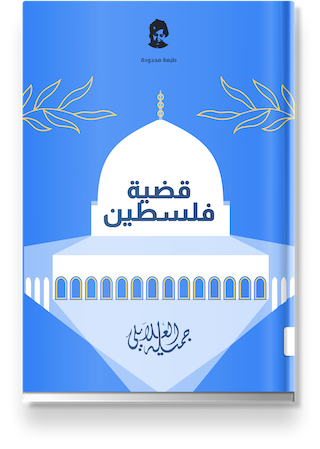
    In December 1948 she and her husband launched Al-Ahdaf, the voice of the Academy. The same year she published Palestine Prose in response to the Nakba. Her mother died in 1959 and her husband in 1963, after which she devoted herself to their son, Jalal.

  4. 4 1964–1991

    Later years

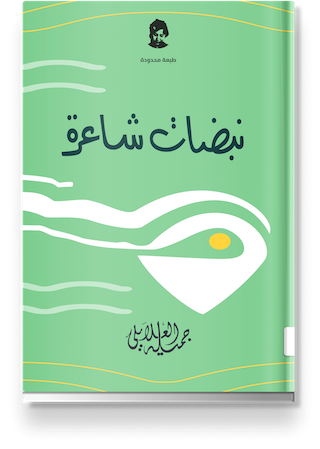
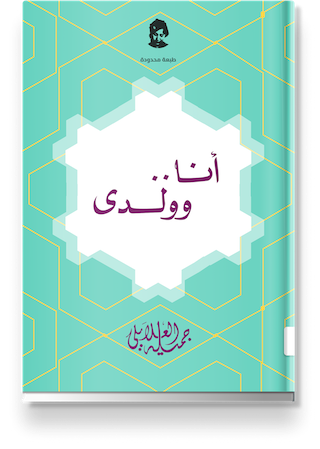
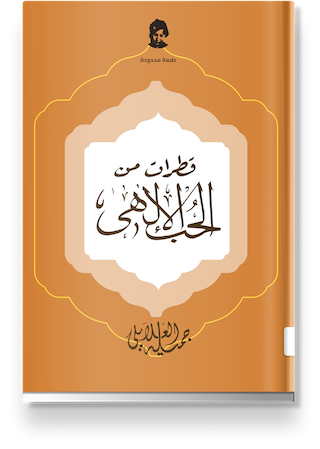
    She kept writing and publishing: Drops of Divine Love (1968), Echo of My Faith (1976), Poetic Heartbeats (1981), with an introduction Abu Shadi had written thirty years earlier, and the autobiographical novel My Son and I (1982). In 1975 President Anwar Sadat granted her an exceptional state pension in recognition of her work in literature and art.

    She died at her home in Ain Shams, Cairo, on 11 April 1991. As she had asked, there was no official mourning ceremony.

Her many roles

Poet, storyteller, editor and convenor

The poet

Poetry was where she began and where she kept returning. In April 1933 Apollo magazine published her poem “The Magician”, and she became the only woman who wrote regularly for the Apollo group, alongside poets such as Ibrahim Nagi.

Her first collection, Echo of My Dreams (1936), came with an introduction by Ahmed Zaki Abu Shadi, and the writer Widad Sakakini described it as the first collection of poetry published by a woman in the modern Arab renaissance. Echo of My Faith (1976) and Poetic Heartbeats (1981) followed. Read her poems
The storyteller

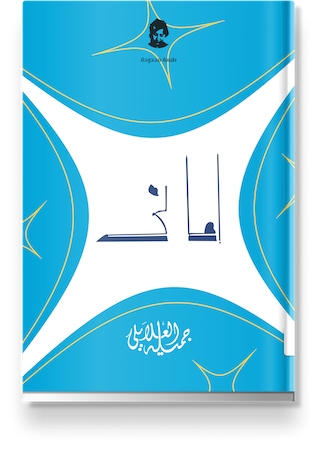
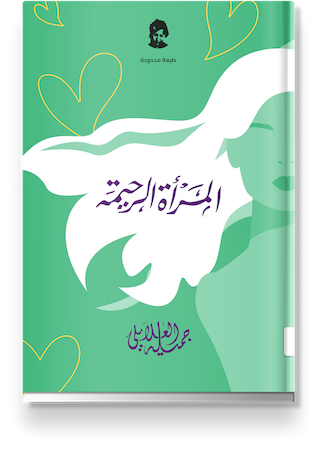
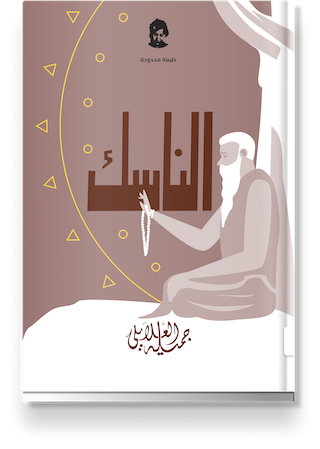
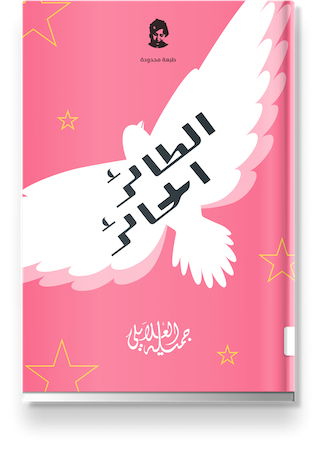
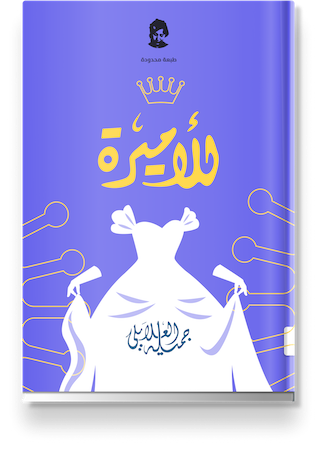
She wrote fiction for five decades, often centred on girls and women searching for dignity, meaning and freedom. Her first novel, The Wandering Bird (1935), was followed by The Princess, Wishes and the play The Merciful Woman (all 1939), The Mystic (1944) and The Native (1951), a story with autobiographical features.

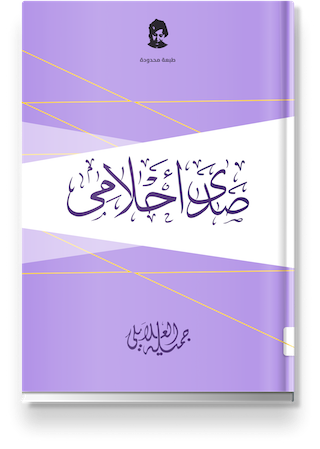
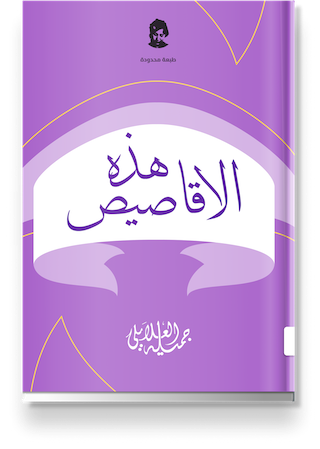
She also wrote essays, beginning with her first book, Whispers (1929), on women's search for freedom and justice. Late in life came the collection These Stories (1977) and the autobiographical novel My Son and I (1982). See all her works

The editor and publisher

At the end of 1944 she resigned from the Ministry of Social Affairs to give her time to literature and journalism. In December 1948 she and her husband, the journalist Sayed Nada, launched the magazine Al-Ahdaf, the voice of the Arab Literature Academy and a platform for reform and guidance.

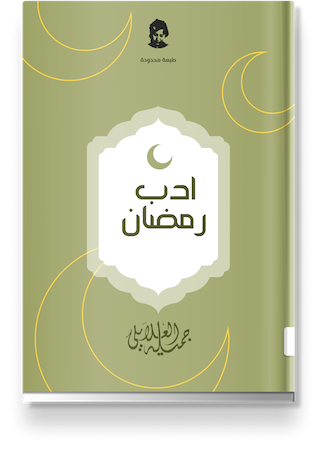
She also put together books that gathered the work of the writers around her: Spring Prose (1946), from the poems and essays of the Spring Festival, Ramadan Prose (1947) and Palestine Prose (1948), written with members of the Academy in response to the Nakba.

The convenor

She brought writers together. As director of the Social Aid Bureau in Mansoura from 1942 she helped set up social reform associations. In 1946 she founded the League of Arab Writers and organised its Spring Festival, and in 1947 she founded the Arab Literature Academy, and was elected its president when it was founded.

In her diaries she recalls the years when her salon at home gathered leaders and leading writers and poets, and the festivals she held across the Arab world in the Academy's name.

In her voice

The Moon

مرحى أَيا قمري الجميلياصفحة الخلد الأَصيليالوحة الغيب الموشىمنه بالنور الجليل
0:002:21

Gamila El Alaily reads her poem “The Moon”, from Poetic Heartbeats (1981), in an interview with Nadia Saleh for the Egyptian radio programme Ziyara li-Maktabat Fulan (A Visit to So-and-so's Library), recorded shortly before her death.

Legacy

the Egyptian poet of natural gift

Ahmed Zaki Abu Shadi, founder of Apollo, in Issues of Contemporary Poetry (1959)

In 1937 she wrote the preface to the first collection of the Iraqi poet Abd al-Qadir Rashid al-Nasiri, Melodies of Pain.

Her life and work are now the subject of academic study, including master's theses at Cairo University (2007) and the American University in Cairo (2025).

See all research about her

What she wrote about

Love

Love runs through her collections, often a love held back or unanswered. In 1952 she mourned the writer Zaki Mubarak, to whom she was linked by a famous platonic love, in the poem “What Shall I Say?”. Her love poems

Faith

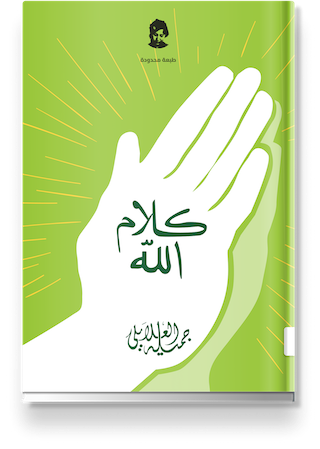
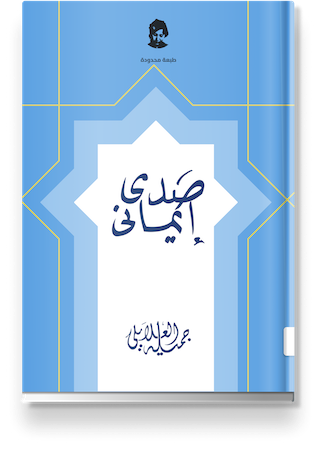
Faith is the largest theme in her poetry. Divine Words (1950) speaks of faith and of coexistence between religions, and her later books, Drops of Divine Love (1968) and Echo of My Faith (1976), take on a Sufi, prayerful tone. Her spiritual poems

Contemplation

Many of her poems are meditations on the self, solitude and the questions of life and death, such as “Who Am I?”, “Where To?”, “Reflections of Solitude” and “The Thirsty Soul”, most of them in Echo of My Dreams and Poetic Heartbeats. Her contemplative poems

Women and society

From her first book in 1929 she wrote about women's struggle with society in search of freedom and justice, and her stories return again and again to girls and women defending their dignity. Her social poems

Nation

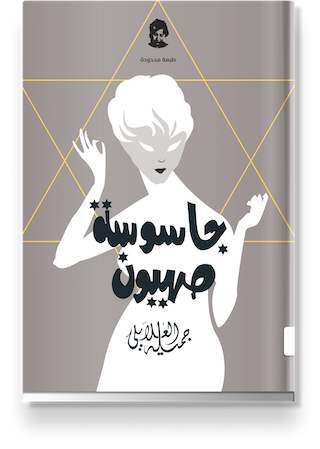
She wrote for Egypt and for Palestine. In 1948 she answered the Nakba with Palestine Prose, and her story The Spy (1970) is about resisting injustice. Her patriotic poems

Nature

Born on the Nile at Mansoura, she drew on the river, the sky and the moon, as in “The Moon”, which she read on the radio late in her life. Her nature poems

Life & Timeline

From her youth to later life

Her Literary Works

From poetry to novels

Literary Salon

The weekly meetings with contemporaries

Gamila's Library

The vast collection of books

El Ahdaf Magazine

The monthly publication that spanned decades